Apple MacBook Neo Assessment: Affordable Excellence Gets Even Better With Upgrades
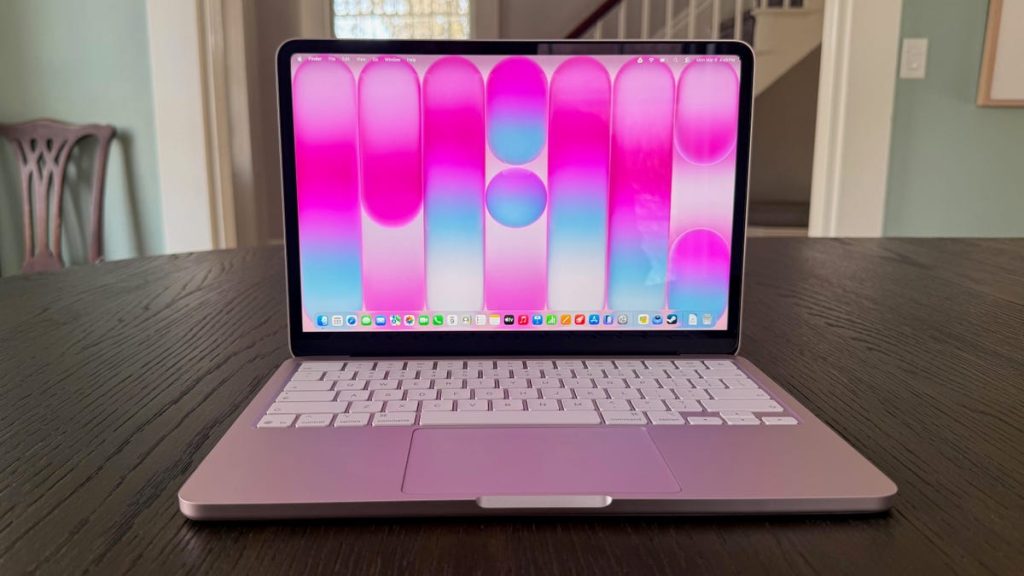
Apple has introduced a groundbreaking entry-level laptop that dramatically lowers the barrier to MacBook ownership. The MacBook Neo represents Apple’s strategic move to capture budget-conscious consumers and students who previously couldn’t justify spending over $1,000 on a premium laptop.
Starting at $599, this machine delivers authentic MacBook design and build quality at a price point that competes directly with mid-range Chromebooks and budget Windows laptops. For families hesitant to invest heavily in teenage technology, the Neo offers peace of mind without compromising on Apple’s renowned durability and ecosystem integration.
Design Excellence at Budget Pricing
The most striking aspect of the MacBook Neo is how it maintains Apple’s premium aesthetic despite its aggressive pricing. Unlike typical budget laptops that rely on plastic construction or flimsy aluminum, the Neo features the same robust all-aluminum chassis found in its more expensive siblings.
Measuring 13 inches diagonally, the Liquid Retina display delivers sharp 2,480×1,506-pixel resolution that rivals the clarity of higher-end models. The screen actually outperforms the standard MacBook Air in brightness testing, reaching 518 nits compared to the Air’s 500-nit output.
The Neo’s design language closely mirrors the MacBook Air, with subtle differences including softer rounded edges and color-matched keyboards that replace the traditional black keys. Available in four finishes including blush, citrus, indigo, and silver, the laptop weighs 2.7 pounds and measures 0.5 inches thick.
Performance Powered by iPhone Technology
Rather than utilizing Apple’s M-series processors, the Neo incorporates the A18 Pro chip from the iPhone 16 Pro. This six-core CPU configuration includes two performance cores and four efficiency cores, paired with a five-core GPU and 8GB of unified memory.
While benchmark scores trail the more powerful MacBook Air models in multi-core performance, single-core results remain competitive with M3-powered machines. For everyday computing tasks including web browsing, document editing, and light photo manipulation, the A18 Pro delivers smooth, responsive performance.
The base model includes 256GB of storage, though Apple offers a single upgrade option that doubles storage to 512GB while adding Touch ID functionality for an additional $100.
Strategic Compromises and Missing Features
To achieve its aggressive pricing, Apple made calculated decisions about feature exclusions. The base model lacks Touch ID, requiring users to rely on traditional password authentication. The $100 upgrade addresses this limitation while simultaneously doubling storage capacity.
Battery life, while adequate for full-day use, falls short of MacBook Air standards. The 36.5-watt-hour battery provides approximately 13.5 hours of video streaming, roughly 3.5 hours less than the Air’s larger 53.8-watt-hour cell.
The Neo also omits MagSafe charging in favor of USB-C ports, both located on the left side. The included 20-watt charger requires longer charging times compared to the Air’s more powerful adapter.
Other absent features include keyboard backlighting, True Tone display technology, Wi-Fi 7 support, and advanced webcam features like Center Stage and Desk View.
Surprising Audio and Input Quality
Despite having only two speakers compared to the Air’s quad-speaker setup, the Neo delivers impressive audio quality. Strategic speaker placement near the front of the device, combined with spatial audio support, creates a surprisingly full soundscape that outperforms most sub-$1,000 laptops.
The mechanical trackpad exceeds expectations, providing consistent click response across its entire surface without the diving-board effect common in budget laptops. The color-matched keys also prove more visible in low-light conditions than traditional black keys with white legends.
Target Audience and Value Proposition
The MacBook Neo excels as a first computer for students or as a secondary device for casual computing tasks. Its integration with the Apple ecosystem makes it particularly attractive for iPhone users seeking seamless device connectivity.
For college students, the Neo provides sufficient performance for four years of academic work without the premium pricing of higher-end models. The education discount effectively covers the cost of the Touch ID upgrade, making the enhanced model an obvious choice for student buyers.
Competitive Positioning
At $599, the Neo undercuts the MacBook Air by $500 while maintaining the essential MacBook experience. When compared to similarly priced Chromebooks, the Neo demonstrates superior performance across all benchmark categories.
The laptop also competes favorably against budget Windows machines, offering better build quality and longer software support lifecycles typical of Apple products.
Final Assessment
The MacBook Neo successfully democratizes access to Apple’s laptop ecosystem without compromising core design principles. While it requires strategic feature compromises, the resulting product delivers exceptional value for budget-conscious consumers seeking authentic MacBook quality.
For parents, students, and casual users prioritizing reliability and ecosystem integration over raw performance, the Neo represents the most compelling entry point into MacBook ownership. The recommended configuration includes the $100 upgrade for Touch ID and expanded storage, creating a well-rounded package at $699 that significantly undercuts traditional MacBook pricing while maintaining the premium experience Apple customers expect.